
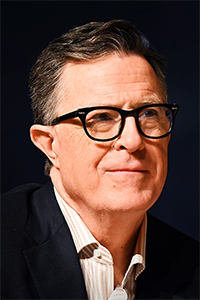
Much has been written about the controversies over late-night television, including the recent cancellation of The Late Show with Stephen Colbert, and the temporary suspension of Jimmy Kimmel last fall. Certainly, both instances were triggered by networks, corporations, and television station groups trying to curry favor with the White House. For example, Paramount Global and Skydance Media needing federal approval to move forward with their merger, and Nexstar’s pending deal to buy Tegna. Left unchecked, these kinds of political appeasements could very well lead to the demise of late-night, network TV talk shows as we now know them.
No doubt Paramount and Nexstar couldn’t afford to alienate the FCC when they both had deals pending that would greatly benefit their stockholders. That’s why CBS had agreed to pay Trump $36 million dollars over the so-called “edited” 60 Minutes interview with Kamala Harris. That’s why ABC paid Trump $15 million dollars after George Stephanopoulos mischaracterized candidate Trump’s role in the alleged rape of E. Jean Carroll. That’s why CBS/Paramount agreed to take Colbert off the air so that he would no longer have a national forum for nightly Trump-bashing. And that’s why Nexstar joined with ABC and Sinclair to call for dismissal of Kimmel over an ill-timed joke about Charlie Kirk. Yes, broadcasters need to make money, but when they give in to political pressure in order to facilitate their own expansive greed, then they have failed to serve their primary stockholder: the public who own the airwaves.
But if the talk genre should disappear from the television landscape, a lot of the blame will lie at the feet of the hosts themselves. That’s because the new breed of monologists haven’t adhered to the time-honored tradition of how humor should be disseminated on free TV. Johnny Carson dominated late-night for 30 years because he knew how to appeal to a wide audience and do political humor without being political. Letterman and Leno never veered too far from Carson’s example, but Kimmel, Colbert, Seth Meyers, and (to some extent) Jimmy Fallon have disregarded it, thus alienating half of their potential viewers in the process. The result is less ad revenue and higher production deficits for the networks.
Don’t get me wrong. As a broadcast veteran of 56 years, I believe strongly in freedom of expression, and I abhor any form of censorship, whether it comes through intimidation or extortion. No one should lose their job for speaking truth to power, but they CAN lose their job if they lose sight of their primary mission. For hosts of network TV shows, that mission is to entertain and hold as many viewers as possible. It’s different for guys like Bill Maher, John Oliver, and Jon Stewart because they appear on pay cable and can be openly partisan with their smaller, niche audiences. Kimmel and Colbert can’t afford that luxury. Bill Maher learned that lesson when his original show was cancelled by ABC after he referred to 9/11 terrorists as heroes. His comment was taken out of context by advertisers and the Bush White House, but the handwriting was on the wall, and Bill packed his bags for HBO.
Sometimes you have to stand up to intimidation. Sometimes you have to take a stand against politics and avarice (and the politics of avarice). But if you host a network show which is broadcast over publicly owned airwaves, you need to learn how to entertain the masses without offending half of them, or else face the consequences. Colbert has just launched his own YouTube channel and will now be free to bash anyone and anything within tasteful bounds. My advice to Kimmel, Meyers, and Fallon is to either launder partisan politics from their monologues or else abandon network television before it abandons them.
























Late-Night Talk Shows On the Way Out?
Much has been written about the controversies over late-night television, including the recent cancellation of The Late Show with Stephen Colbert, and the temporary suspension of Jimmy Kimmel last fall. Certainly, both instances were triggered by networks, corporations, and television station groups trying to curry favor with the White House. For example, Paramount Global and Skydance Media needing federal approval to move forward with their merger, and Nexstar’s pending deal to buy Tegna. Left unchecked, these kinds of political appeasements could very well lead to the demise of late-night, network TV talk shows as we now know them.
No doubt Paramount and Nexstar couldn’t afford to alienate the FCC when they both had deals pending that would greatly benefit their stockholders. That’s why CBS had agreed to pay Trump $36 million dollars over the so-called “edited” 60 Minutes interview with Kamala Harris. That’s why ABC paid Trump $15 million dollars after George Stephanopoulos mischaracterized candidate Trump’s role in the alleged rape of E. Jean Carroll. That’s why CBS/Paramount agreed to take Colbert off the air so that he would no longer have a national forum for nightly Trump-bashing. And that’s why Nexstar joined with ABC and Sinclair to call for dismissal of Kimmel over an ill-timed joke about Charlie Kirk. Yes, broadcasters need to make money, but when they give in to political pressure in order to facilitate their own expansive greed, then they have failed to serve their primary stockholder: the public who own the airwaves.
But if the talk genre should disappear from the television landscape, a lot of the blame will lie at the feet of the hosts themselves. That’s because the new breed of monologists haven’t adhered to the time-honored tradition of how humor should be disseminated on free TV. Johnny Carson dominated late-night for 30 years because he knew how to appeal to a wide audience and do political humor without being political. Letterman and Leno never veered too far from Carson’s example, but Kimmel, Colbert, Seth Meyers, and (to some extent) Jimmy Fallon have disregarded it, thus alienating half of their potential viewers in the process. The result is less ad revenue and higher production deficits for the networks.
Don’t get me wrong. As a broadcast veteran of 56 years, I believe strongly in freedom of expression, and I abhor any form of censorship, whether it comes through intimidation or extortion. No one should lose their job for speaking truth to power, but they CAN lose their job if they lose sight of their primary mission. For hosts of network TV shows, that mission is to entertain and hold as many viewers as possible. It’s different for guys like Bill Maher, John Oliver, and Jon Stewart because they appear on pay cable and can be openly partisan with their smaller, niche audiences. Kimmel and Colbert can’t afford that luxury. Bill Maher learned that lesson when his original show was cancelled by ABC after he referred to 9/11 terrorists as heroes. His comment was taken out of context by advertisers and the Bush White House, but the handwriting was on the wall, and Bill packed his bags for HBO.
Sometimes you have to stand up to intimidation. Sometimes you have to take a stand against politics and avarice (and the politics of avarice). But if you host a network show which is broadcast over publicly owned airwaves, you need to learn how to entertain the masses without offending half of them, or else face the consequences. Colbert has just launched his own YouTube channel and will now be free to bash anyone and anything within tasteful bounds. My advice to Kimmel, Meyers, and Fallon is to either launder partisan politics from their monologues or else abandon network television before it abandons them.